

The 55th annual meeting of the Jean Piaget Society will be held in Ottawa, Ontario, Canada
May 28th - May 30th, 2026
"Using Civic Science to Understand and Promote Healthy Human Development"
The conference theme is designed to address how civic science can contribute to a more comprehensive understanding of human development, based on the engagement of more representative samples of the global population; the first-person experience of citizens; and a pragmatic usage of science to promote healthy development in a sensitive and sustainable way (e.g., Galinsky et al., 2017; Spencer, 2015). In civic science, the participants in studies or the recipients of training are involved from the beginning, shaping the questions asked; co-creating and evaluating the research design, the process of inquiry, and materials; bringing insight to the results or materials created; and serving as a natural distribution system for sharing the work and involving others.
Civic science is an approach to scientific inquiry that highlights scientists’ responsibility as citizens:
- to use science to assess and respond to problems faced by fellow citizens;
- to draw on the lived experience of citizens; and
- to engage citizens throughout the scientific process from design to dissemination.
Click the information icon for more about the conference theme
Although scientists employ a method (i.e., the scientific method) well designed to yield valid logical and generalizable inferences based on reliable empirical evidence, the application of this method always occurs within a context of values and assumptions. Civic science recognizes this context dependency, is responsive to citizens’ perceived needs, supports citizens’ autonomy and self-determination, and engages citizens in collective scientific collaboration; it is an inherently educational and democratic approach to science (Abbott et al., 2014; Árnason, 2012; Boyte, 2015). Indeed, civic science education is essential for fostering civic engagement (Levy et al., 2021; Ross & Fried, 2023), and as a shared practice of systematic scientific inquiry into social problems, civic science could serve as a central feature in a robust, evidence-based democracy (Dewey, 1910; 1916, Democracy and Education).
Science itself is a democratic enterprise that invites scientists to better understand the world by participating collectively in knowledge creation. Including non-scientists citizen’s perspectives and voices in scientific inquiry, while maintaining scientific rigor, has the potential to improve the questions being asked and the implementation of results as well as to encourage popular appreciation of scientific evidence and accelerate scientific innovation (e.g., Spencer, 2015), particularly for the public good (Garlick & Levine, 2016; Galinsky et al., 2017). For example, whereas traditional intervention research typically aims to conduct independent evaluations of the efficacy of fully developed programs using a randomized controlled design, civic science aims to generate practical, locally relevant and sometimes new solutions to people’s perceived needs through collaboration and the use of participatory methods. Importantly, it proceeds through an iterative, fast-cycle research and development (R&D) process focused on creating scalable and sustainable solutions to practical problems (e.g., Shonkoff & Fisher, 2013). In particular, civic science has considerable potential to advance inquiry into and intervention regarding complex (so-called “wicked”) problems that are systemic and multidimensional—issues such as socioeconomic status (SES)-related and other differences in academic achievement and mental health (e.g., Reardon & Portilla, 2016).
Plenary Speakers
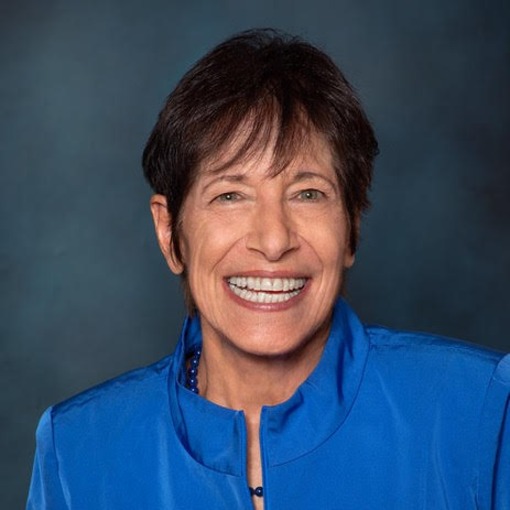
Kathy Hirsh-Pasek
Templeton University, United States
Civic Science: An Active Playful Learning Approach to Education
Abstract
The “factory model” of education that dominates classrooms around the world is outdated. Our current model of education neither prepares students to thrive in the 21st century nor does it address systemic inequalities. In our Brookings Big Ideas Piece (Hirsh-Pasek et al., 2020), A new path to education reform, and in Making Schools Work (Hirsh-Pasek et al, 2022), we argue for a developmentally appropriate pedagogy built on the latest science of learning while offering children a rich curricular approach. This approach was a cornerstone of UNESCOs Happy School’s movement (2024) and of recent work from the OECD arguing against the increased schoolification in education (OECD, 2020, p. 33). Our model addresses these recent trends through work in what we call Active Playful Learning (APL). It uses a 3-part equation, based in the science of learning, to realize this goal. We start with cultural contexts that embrace community funds of knowledge that children bring to our classrooms. We then add the “how” of learning such that if we teach in ways that capitalize on how brains learn, children are more likely to retain and transfer their knowledge. Third, we add “what” the children need to know to thrive in a world dotted with Chat GPT, and with workplaces that will later require them to expand their repertoire of outcomes to include a breadth of skills, 6Cs — collaboration, communication, content, critical thinking, creative innovation, and confidence (grit and growth mindset). In this talk, we demonstrate how this equation has been used to design an evidence-based pedagogical approach that is being evaluated in a longitudinal study in the US along with how it is being used to support community-based, out of school enrichment in communities and in digital media. This example of civic science shows the fluid exchange between educators, community members and scientists as we build a stronger science of learning. In fact, this cross-sector model was grown from our Learning Science Exchange (LSX) Fellowship that exemplifies civic science at its best.
Kathy Hirsh-Pasek | Bio
Kathy Hirsh-Pasek is the Stanley and Debra Lefkowitz Fellow in Psychology at Temple University in Philadelphia. She is the author of 16 books and over 250 publications on early childhood and infant development, with a specialty in language and literacy, and playful learning. She is a founding member of Playful Learning Landscapes; the Latin American School for Educational and Cognitive Neuroscience, and of the Learning Science Exchange Fellowship. Hirsh-Pasek is also a senior fellow at the Brookings Institution’s Center for Universal Education. She is a fellow of the American Psychological Association, the Cognitive Development Society, the American Educational Research Society and the American Psychological Society. Her book, Becoming Brilliant: What Science Tells Us about Raising Successful Children (2016), was on The New York Times Best Seller List in both education and parenting. And her Einstein Never Used Flashcards was released in January of 2026 – a former winner of the Better Books Award for the earlier edition. She is a recipient of APS James McKeen Cattell Award, the SRCD Distinguished Scientific Contributions to Child Development Award and the Mentor Award from both APA and APS. She and her longtime collaborator Roberta Michnick Golinkoff were joint recipients of the 2009 American Psychological Association (APA) Award for Distinguished Service to Psychological Science and the 2011 Urie Bronfenbrenner Award for Lifetime Contribution to Developmental Psychology in the Service of Science and Society from the American Psychological Association. A recent $20M grant from LEGO will enable her and her colleagues to implement the Active Playful Learning model—an evidence-based pedagogical approach to joyful deeper learning that has been co-created with professionals—for grades K through four in four states: California, Illinois, Texas and Virginia.
Websites: https://en.wikipedia.org/wiki/Kathy_Hirsh-Pasek | kathyhirshpasek.com
Roberta Golinkoff | Bio
Roberta Golinkoff (Unidel H. Rodney Sharp Chair in the School of Education at the University of Delaware) is one of the founders of the Ultimate Block Party movement, an event that took place in Central Park to celebrate playful learning. It attracted over 50,000 people. Other Ultimate Block Parties were held in Toronto, Canada, and Baltimore, Maryland. A recent $20M grant from LEGO will enable her and her colleagues to implement the Active Playful Learning model—an evidence-based pedagogical approach to joyful deeper learning that has been co-created with professionals—for grades K through four in four states: California, Illinois, Texas and Virginia. Golinkoff is a fellow of the APA and APS, and in 2015, she was an APA Distinguished Scientific Lecturer received a James McKeen Cattell Fellowship from APS. Golinkoff and her colleague Kathy Hirsh-Pasek of Temple University were joint recipients of the 2009 APA Award for Distinguished Service to Psychological Science and the 2011 APA Urie Bronfenbrenner Award for Lifetime Contribution to Developmental Psychology in the Service of Science and Society. Golinkoff was awarded a John Simon Guggenheim Memorial Fellowship and a James McKeen Cattell Sabbatical Award, both in 1988.
Websites: https://www.cehd.udel.edu/faculty-bio/roberta-michnick-golinkoff/ | https://roberta-golinkoff.com/ | https://en.wikipedia.org/wiki/Roberta_Michnick_Golinkoff
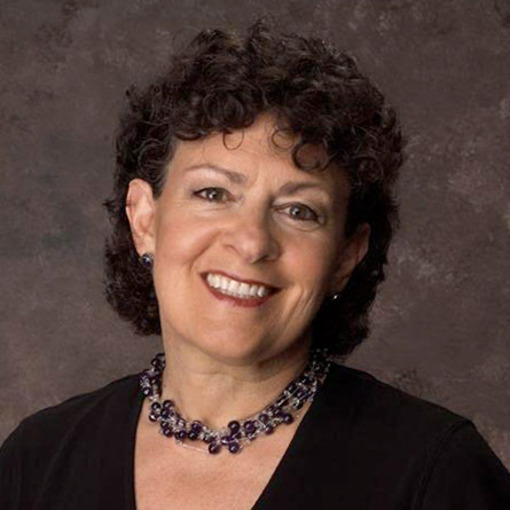
Roberta Michnick Golinkoff
University of Delaware, United States
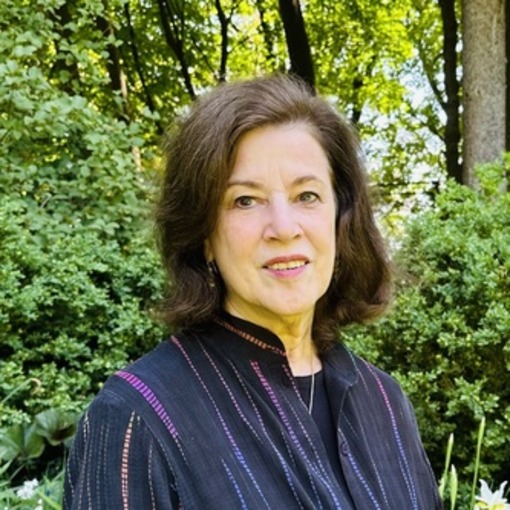
Ellen Galinsky
President of Families and Work Institute
Using Civic Science to Transform Public Education in the United States
Abstract
The problems in growing up today are well-known: Youth mental health is declining; test scores on the nation’s report card haven’t recovered from the pandemic but were problematic beforehand; an increasing number of children are chronically absent from school; and many are growing up disconnected and lonely. Studies show that both learning and mental health depend on executive function (EF) skills—the attention-regulation skills needed to focus attention, ignore distractions, keep information in mind, adopt new perspectives and manage emotions and behavior. The scientific community also knows a great deal about EF skills: They know what these skills are, how to measure them, how they develop, and how they are related to developing brain networks. They also know that these skills are as—if not more— important to success as IQ and socio-economic status. But most importantly, they know how to promote the development of EF skills and how to ensure that these skills will contribute to improving academics and life success. Similarly, educators, business leaders, parents, and students know that they want real skills for real life, as evidenced by overwhelming calls for these skills in more than half the states that have created consensus Portrait of a Graduate statements. Yet, far too little of this knowledge is being acted upon! We argue that a very different approach to science and intervention is needed to create scalable, sustainable supports for children’s developing EF skills—supports that are meaningfully embedded in the communities in which children live. That approach is civic science, which engages citizens in collective scientific collaboration to address complex, pressing, real-world problems, in creating and then disseminating solutions. In this talk, we show that this change is not rhetoric. It is beginning to happen in our work with AASA, the School Superintendents Association, which has adopted “The New Basics: Real Skills for Real Life” as one of its five principles for its Public Education Agenda. We further describe our work with educators and scientists to co-develop a set of new training and tools to support the development of EF-based life skills and transform public education so that children learn and thrive.
Ellen Galinsky | Bio
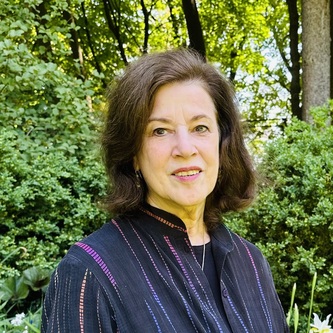
Ellen Galinsky is the President of Families and Work Institute (FWI) and the elected Past President of the Work and Family Researchers Network (WFRN). She also serves as senior research advisor to AASA, the School Superintendents Organization. Between March 2016 and September 2022, she was the Chief Science Officer of the Bezos Family Foundation. Before co-founding FWI, she spent more than two decades at the Bank Street College of Education. Over her career, her research has focused on work-life, children’s development, youth voice, child-care, parent-professional relationship, and parental development. Galinsky is the author of Mind in the Making, a best-selling book on early learning that the New York Times called “an iconic parenting manual,” Her book on adolescence, The Breakthrough Years, was published in March 2024 and has been hailed as a “masterpiece,” a “tour de force,” and “a singular contribution to science and society.” She is also the author of 90 books/reports and 360 articles for books, academic journals, magazines, and the Web. Other career highlights include serving as the elected President of the National Association for the Education of Young Children, being elected as a fellow of the National Academy of Human Resources, serving as parent expert in the Mister Rogers Talks with Parents series, and receiving a Distinguished Achievement Award from Vassar College as well as the 2022 Lifetime Achievement Award from WFRN.
Websites: https://ellengalinsky.com/ | https://www.familiesandwork.org/ellen-galinsky-bio/
Philip David Zelazo | Bio
Philip David Zelazo (Nancy M. and John E. Lindahl Leadership Chair, Institute of Child Development, University of Minnesota) co-directs the Developmental Social Cognitive Neuroscience Lab with Stephanie Carlson. Zelazo’s research has helped shape current understanding of executive function (EF) and its development, including the key roles of reflection, rule use, hierarchical complexity, mindfulness, and emotion (hot versus cool EF). He was lead developer of the EF measures for the NIH Toolbox and the “Cognition and Executive Function” measures for the NIH Infant and Toddler Toolbox, and has designed effective interventions for promoting the healthy development of EF in childhood. He is a Fellow of the American Psychological Association (APA), the Association for Psychological Science (APS), the American Association for the Advancement of Science (AAAS), and the Mind and Life Institute, and the recipient of numerous awards, including the Boyd McCandless Young Scientist Award (APA, 1996), a Canada’s Top 40 Under 40 Award, and the APA Award for Distinguished Contributions to Developmental Psychology (2025). From 2012-2014, he served as President of the Jean Piaget Society. He was Founding Editor of the Journal of Cognition and Development, currently serves on several editorial boards (e.g., Human Development), and he is Associate Editor of American Psychologist. His work has been cited over 53,000 times by other scholars.
Websites: https://icd.umn.edu/philip-zelazo | https://en.wikipedia.org/wiki/Philip_David_Zelazo | https://reflectionsciences.com/
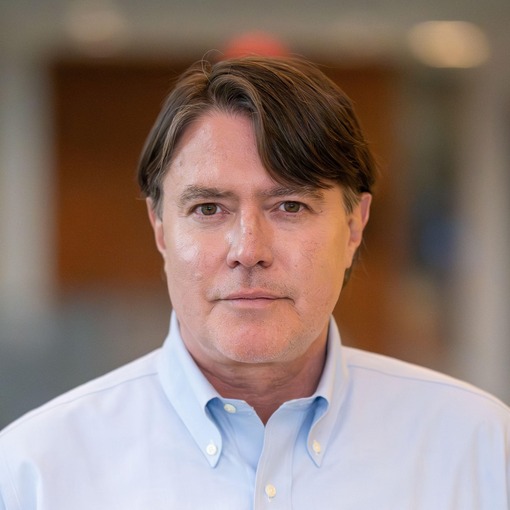
Phillip David Zelazo
University of Minnesota, United States
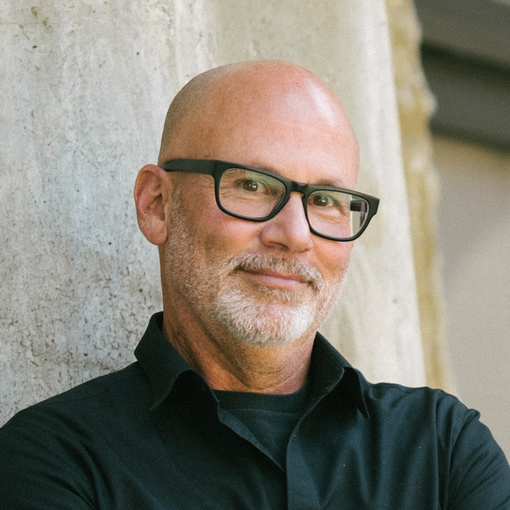
Philip Fisher
Stanford University, United States
Civic Science Research on Parenting and the Promotion of Self-regulation in Young Children during Times of Crisis
Abstract
This talk will include an update on the ongoing RAPID survey project, and how it has been refined in an iterative, fast-cycle way that encourages community participation and promotes innovation and self-determination.
Philip Fisher | Bio
Philip Fisher is the Diana Chen Professor of Early Childhood Learning in the Graduate School of Education at Stanford University, where he serves as founding Director of the Stanford Center on Early Childhood. He is also a Courtesy Professor of Pediatrics at the Stanford School of Medicine. His research, which has been continuously funded by the National Institutes of Health and other federal agencies since 1999, focuses on (1) developmental neuroscience of early life adversity, (2) supporting community-based early childhood systems to insure that all children thrive from the start, and on (3) developing tools and identifying pathways to accelerate the pace of early childhood research. He is particularly interested in prevention and programs for improving children’s functioning in areas such as relationships with caregivers and peers, social-emotional development, and academic achievement. He is the developer of a number of widely implemented evidence-based interventions for supporting healthy child development in the context of social and economic adversity, including Treatment Foster Care Oregon for Preschoolers (TFCO-P), Kids in Transition to School (KITS), and Filming Interactions to Nurture Development (FIND). Dr. Fisher is also currently the lead investigator in the ongoing RAPID-EC project, a national survey on the well-being of households with young children. He has published over 200 scientific papers in peer reviewed journals. He is the recipient of the 2012 Society for Prevention Research Translational Science Award, and a 2019 Fellow of the American Psychological Society.
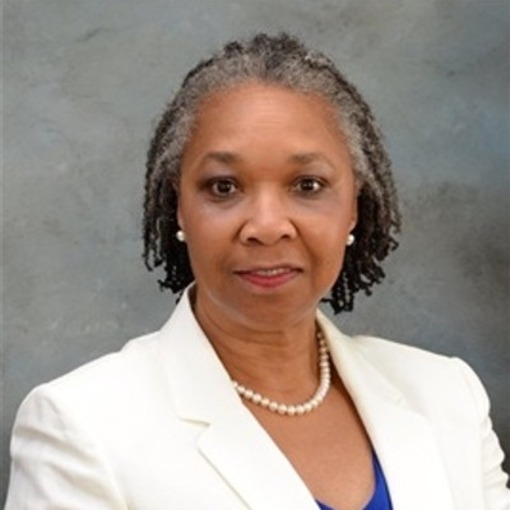
Velma McBride Murry
Vanderbilt University, United States
Enhancing Positive Youth Development through Family-Strength-Based Civic Science Psychoeducational Programs
Abstract
This talk will review psychoeducational interventions to reduce adolescent substance abuse and high-risk behaviors in adolescents, with a focus on African American families and supportive community members. The development of her interventions was informed by a civic science approach.
Velma McBride Murry | Bio
Velma McBride Murry is an American psychologist and sociologist, currently the Lois Autrey Betts Endowed Chair and University Distinguished Professor in Departments of Health Policy, Vanderbilt University School of Medicine, and Human and Organizational Development, Peabody College, Vanderbilt University. Her research has largely focused on resilience, resistance, and protective factors for African American families. From 1995 to 2008, she served as co-director of the Center for Family Research with Dr. Gene Brody. Together and with members of the communities involved, they co-developed the Strong African American Families program in 2000, which created psychoeducational interventions to reduce adolescent substance abuse and high-risk behaviors in adolescents. At Vanderbilt, using a similar approach, she developed and tested the Pathways for African American Success (PAAS) program, in a RCT, leveraging technology to create and implement a family-strength-based interventions to enhance protective processes among youth and their caregivers. PAAS reports promotion of academic success as well as prevention of conduct problems, substance use, and other risky behaviors. She is the recipient of numerous awards and honors, including a Presidential Citation from the American Psychological Association (2014) and membership in the National Academy of Medicine (2020).
Websites: https://peabody.vanderbilt.edu/bio/?pid=velma-mcbride-murry | https://en.wikipedia.org/wiki/Velma_McBride_Murry
Invited Symposia
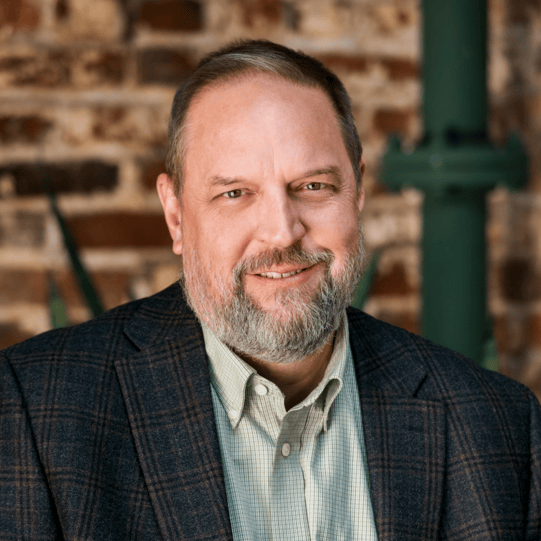
Bryan W. Sokol
Saint Louis University
Human Wellbeing and the Psychology of Democracy: Insights from Service-Learning, Civic Science, and Community Engaged Scholarship
Chairs: Bryan W. Sokol (Saint Louis University) and Stuart Hammond (University of Ottawa)
Symposium Abstract
Community-engaged forms of scholarship take their inspiration from a vision of education that simultaneously advances both human knowledge and democratic forms of life (Dewey, 1916). As laudable as this vision may be, an academic enterprise aimed at the “democratization of knowledge” holds both promise and peril. Democracy is fraught with tensions and contradictions emerging from a plurality of perspectives. As Parker Palmer, a well-known educator and social commentator, claimed in his book, Healing the Heart of Democracy, democratic life was “designed not to suppress our differences but to keep the energy of their tension alive so that it [can] animate the body politic” (Palmer, 2011, p. 75). A similar observation was made by Walt Whitman, America’s self-proclaimed “bard of democracy,” in his epic poem, Leaves of Grass. Writing during the U.S. Reconstruction Era, Whitman embraced the tension between individualism and communitarianism, celebrating both the freedom of individuals and the interconnectedness of communities.
The paradox in his position led him to famously assert: “Do I contradict myself? Very well then I contradict myself, I am large, I contain multitudes.” The democratic impulse underlying civic science and other community-engaged forms of scholarship also carries these tensions and potential contradictions. As a result, many contributors to the field – from participatory research to service learning – have begun to address the difficulties within their work, recognizing that some of these tensions are generative and stand to animate not only further scholarly progress, but also a more robust and healthier democratic life. We have invited scholars who offer critical and diverse approaches, all with the hope of keeping a multitude of energies alive in our growing field.
Presentation #1 | Daniel Hart
|
University Professor, Interim Dean Graduate School of Applied and Professional Psychology, Rutgers University | Email: hart@camden.rutgers.edu Daniel Hart is a University Professor at Rutgers University. His research focuses on adolescent development in context. One facet of this work examines the development of civic life, including political knowledge, volunteering, social trust, voting, and activism. In a series of papers and the book Renewing Democracy in Young America, Dr. Hart and his colleagues have explored the effects of neighborhood, social class, and historical time on the developmental trajectories of the components of civic life. Dr. Hart has also implemented interventions to facilitate youth development. In a recent project, he and his colleagues provided the technical and professional assistance for the Robert Wood Johnson Foundation's Next Generation of Community Leaders initiative, which funded youth-led community development projects in communities throughout New Jersey. His current work focuses on identifying practices most essential to support the development of the next generation of democratic citizens. |
Why is Contemporary American Education so Ineffective in Creating Citizens?Americans believe that educational institutions are crucial in preparing young people to become responsible citizens. Schools are imagined to equip students with the knowledge, attitudes, and skills to participate effectively in democratic institutions. Surprisingly, however, research informed by methods intended to strengthen causal inference—designs utilizing regression discontinuity, difference-in-difference, and genetically informed approaches—suggests that young people pass through years of school with their civic lives barely marked by the experience. I discuss research suggesting that rates of voting, depth of civic and political knowledge, and political interest are barely affected by years of schooling. Moreover, the causal effects of classes specifically designed to support civic development—such as service-learning—are also difficult to identify in students’ civic lives. One implication of these findings is that civic life is shaped by numerous processes outside of school that warrant the attention of those concerned with nurturing the next generation of citizens. A second implication is that the school-based processes intended to promote civic development deserve critical focus in order to improve them. I conclude with observations on particularly promising practices for transforming civic education in schools that are especially effective in increasing political knowledge, broadening democratic skills, and enhancing civic participation. |
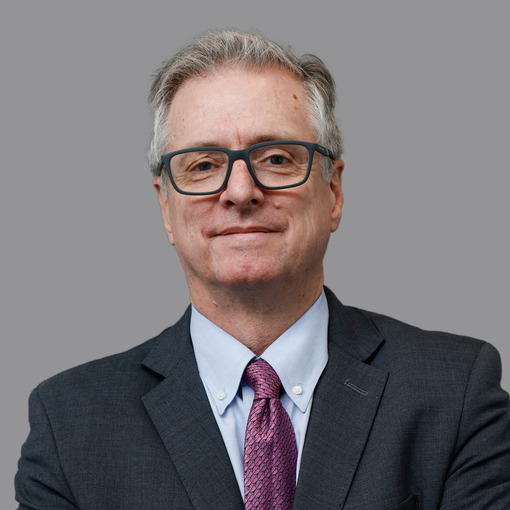
Presentation #2 | Manuel Riemer
|
Professor of Community Psychology and Sustainability Science Director, Viessmann Centre for Engagement and Research in Sustainability (VERiS) Department of Psychology, Wilfrid Laurier University | Email: mriemer@wlu.ca Manuel Riemer is a professor of community psychology and sustainability science at Wilfrid Laurier University and director of the transdisciplinary Viessmann Centre for Engagement and Research in Sustainability (VERiS), with a focus on the intersection of climate change, society, and equity. Previously, Dr. Riemer served as the director of the Centre for Community Research, Learning and Action (CCRLA), which promotes community-engaged scholarship. Dr. Riemer applies community psychology principles, theories, and tools as well as systems and sustainability science to address issues related to sustainability and climate justice. This includes fostering strong cultures of sustainability in organizations, schools, communities, and cities, just sustainable transformations, youth climate justice activism, and responding to the complex challenge of the polycrisis in cities. He is the lead author of the third edition of the book Community Psychology: In Pursuit of Liberation and Wellbeing published by Red Globe Press and is a fellow of the Society for Community Research and Action. |
Research For and With People: Insights on Community-Engaged Scholarship from Community PsychologyCommunities across the world are increasingly facing complex challenges such as the impacts of climate change, lack of affordable housing, rising costs of living, and high levels of loneliness. While many of these challenges have global causes, there is an increasing realization that resilience to these challenges needs to be developed within the local context. Further, to be locally relevant and sustainable, approaches for achieving this community-based resilience need to be co-designed with people in the community, not just for them. This shifts the role of the researcher from that of an external expert who extracts knowledge for the purpose of theory building to that of a partner and facilitator who co-learns and co-designs with community. In this presentation, I will present key principles and approaches to this type of community-engaged scholarship from the perspective of community-psychology. I will illustrate these with an example of a research project focused on co-developing a grassroots-led climate resilience strategy in Waterloo Region that is grounded in the lived expertise consulting model. Finally, I will conclude with a reflection on my own journey from being trained as a traditional quantitative psychologist to becoming a participatory action and community-engaged researcher and how my understanding of scientific rigour broadened through this developmental process. |
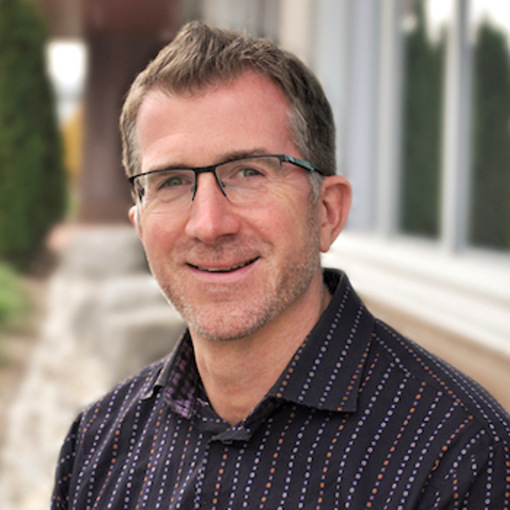
Presentation #3 | Lori Bradford
|
Canada Research Chair Tier 2 in Incorporating Social and Cultural Sciences into Engineering Design Associate Professor, Ron and Jane Graham School of Professional Development, College of Engineering, University of Saskatchewan | Email: lori.bradford@usask.ca Lori Bradford is an Associate Professor at the University of Saskatchewan, where they hold the Canada Research Chair in Incorporating Social and Cultural Sciences in Engineering Design in the Ron and Jane Graham School of Professional Development in the College of Engineering. Dr. Bradford holds a B.Sc. in Biochemistry, a Master’s in Environmental Studies, and a Ph.D. in Social Psychology. Her research focuses on community-led research for water policy, infrastructure planning, and engineering design, with long-term partnerships alongside Indigenous communities. Dr. Bradford serves as Editor-in-Chief of the Engaged Scholar Journal, Canada’s only journal dedicated to community-engaged research, teaching, and learning. |
Engaged Scholarship, Institutional Recognition, and the Democratic Work of Knowledge Co-CreationThe Engaged Scholar Journal was created in 2014-2015 at the University of Saskatchewan to support rigorous, relationship-centred research that crosses academic–community boundaries and to make space for diverse ways of producing and sharing knowledge. As Editor-in-Chief since 2019, I have witnessed how community-engaged scholarship strengthens democratic life by valuing reciprocity, shared authority, and collective problem-solving. Yet the journal’s emergence and its international uptake also highlight a persistent tension: forms of civic and community-based scholarship that are widely recognized and celebrated beyond one’s institution may remain undervalued, misunderstood, or unsupported within it. My contribution to this symposium examines this tension as a developmental and co-created process, one that shapes researchers, partners, and institutions. Drawing on examples from Indigenous-led collaborations, climate adaptation partnerships, and co-designed educational tools, I discuss how community-engaged scholarship as shared through the journal nurtures competencies central to democratic participation: curiosity, accountability, relational decision-making, and the capacity to learn across difference. At the same time, I reflect on the personal and institutional implications of being validated by external scholarly communities while encountering limited recognition at home, and how this gap influences the sustainability of community partnerships. These experiences speak to the democratic potential of engaged scholarship, as well as the institutional conditions needed to support it with integrity. |
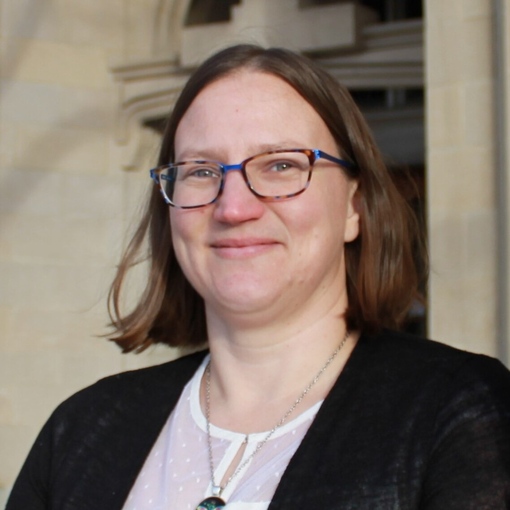
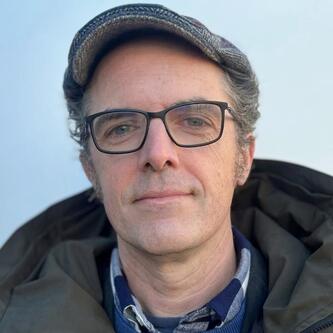
Stuart Hammond
University of Ottawa
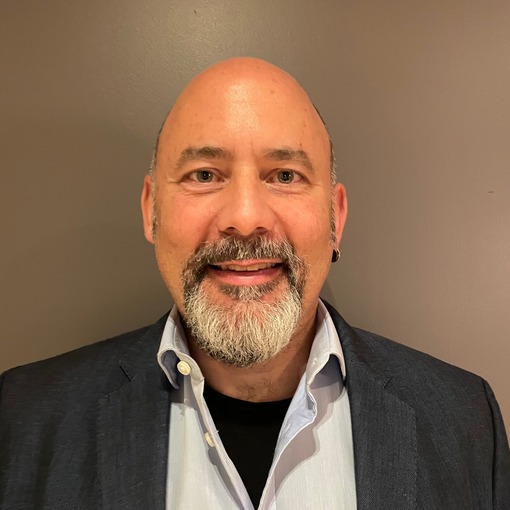
John P. Spencer
University of East Anglia
The Esther Thelen Memorial Symposium
From Complex Systems to Civic Science (and Back)
Organizer: John P. Spencer, Professor of Psychology (University of East Anglia)
Discussant: Harry C. Boyte (Senior Scholar in Public Work Philosophy, Augsburg University)
Symposium Abstract
A key focus of the civic science initiative is to foster the collective capacities of scientists and non-scientists to come together to solve real-world problems in a democratic society. The science of dynamical systems can play a role here as understanding complex real-world problems requires understanding how multiple levels of analysis come together over multiple time scales.
Esther Thelen had a profound impact on developmental science, introducing the now mainstream view of human development as a complex dynamical system. Toward the end of her career, Esther was pursuing ways to bring together her theoretical perspective with real-world practice to positively impact the lives of children. These efforts brought together scientists and practitioners as equal partners empowered to create change. In the Esther Thelen Memorial Symposium, we celebrate this legacy by highlighting work from two of Esther’s former colleagues who have continued to pursue this ‘civic science’ mission.
We will hear reflections from two teams of researchers and practitioners. Presentation Set 1 focuses on early mobility as a causal factor in development and how low-cost mobility tools can positively impact infants with delayed mobility. Presentation Set 2 focuses on how new motor skills exert far-reaching, cascading effects on development including the broader communicative environment. We will then hear from our Discussant, Harry Boyte, who will reflect on civic science, Esther Thelen’s legacy, and the two presentation sets.
Presentation #1 | Cole Galloway & Andrina Sabet
|
Cole GallowayClinical Professor of Physical Therapy, Baylor University Presenter |
Andrina SabetPhysical Therapist Practitioner |
Presentation #2 | Jana Iverson & Elizabeth Vosseller
|
Jana M. IversonChristopher A. Moore Professor in Pediatric Rehabilitation, Boston University Presenter |
Elizabeth VossellerMaster of Science in Speech-Language Pathology Practitioner |
Discussant Presentation | Harry Boyte
Discussant Presentation: The need for civic science
“We have frequently printed the word Democracy. Yet I cannot too often repeat that it is a word the real gist of which still sleeps, quite unawaken’d…a great word, whose history remains unwritten, because that history has yet to be enacted.” – Walt Whitman, Democratic Vistas
Abstract
A democratic society requires people with democratic habits. Today the challenges our democracy faces are multiplying while democratic capacities to work across differences are diminishing. We need a new way of doing the work of democracy– and claiming the great tradition of science as one method of human emancipation that needs to be integrated with other ways of knowing and acting. Civic science is the key to such work.
As Andrew Jewett has detailed in his book, Science, Democracy and the American University (Cambridge, 2012), science was once widely understood by practitioners and the larger citizenry as a wellspring of democratic energy and a constellation of democratic practices. Today, fields of science are generating an explosive increase in our knowledge about the world. But the democratic energies and catalytic practices of science have receded from view. At the same time, society is beset with “knowledge wars”; politics is bitterly polarized; people feel powerless; skepticism about civic institutions has dramatically increased; and science and scientists are portrayed by some as the oppressor of the people. Scientists are often expected to be (and sometimes see themselves as) experts who instruct amateurs, who in turn are seen as passive, ignorant, and silent recipients. In this view, most people are left with little to do except give thanks or protest if the solutions don’t work.
In fact, science has much more to offer than detached expertise and also clear limits in what science and scientists can accomplish in addressing our mounting challenges by themselves. Scientists need the real world of rich, diverse experiences to provide grounding, testing, and challenge to all its propositions. Scientists develop a larger perspective on science and the human condition when they leave the laboratory and inhabit roles as parents, neighbors, co-workers in civic projects, and as human beings. Scientists discover the thrill, and the challenge, of finding that people very different from themselves have similar needs, hopes and fears, and also ways of knowing and acting that expand their own views and ways of knowing. Scientists gain from hearing about the struggles people are going through, the wisdom they have gained through life experiences, their own and through cultures and traditions.
Civic science is a way to work together to address the challenges we face, to reverse civic decay, and to build and rebuild a thriving world for ourselves and future generations.
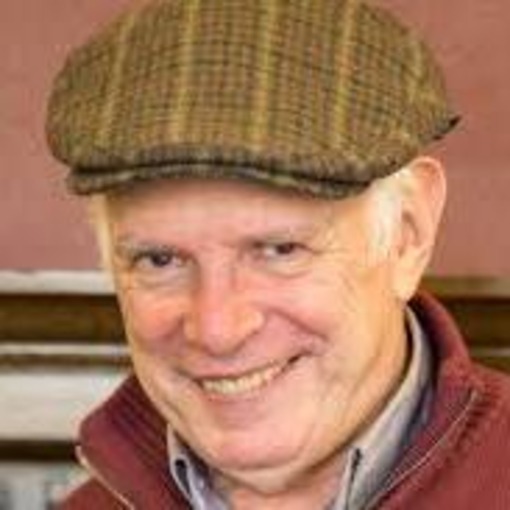
Harry C. Boyte
Augsburg University
John P. Spencer
University of East Anglia
Civic Science Research in the Global South
Chair: John P. Spencer, Professor of Psychology (University of East Anglia)
Symposium Abstract
There is a growing recognition that developmental science needs to diversify its focus, using culturally relevant methods, and acknowledging that different sociocultural ecologies lead to varied developmental trajectories. A civic science perspective also acknowledges that understanding and enhancing developmental outcomes requires reciprocal partnerships that bring together researchers, communities, and policymakers. This symposium brings together an outstanding collection of scientists doing research in the Global South with foci at different levels of this complex developmental system. The goal of the symposium is to explore how to harness the energies and talents of researchers, communities, and policymakers to optimize developmental outcomes in the Global South.
Presentation #1 | Kaja Jasińska

Kaja Jasińska
Associate Professor in the Applied Psychology and Human Development, Department at the University of Toronto; Director of the Laidlaw Research Centre and the Brain Organization for Language and Literacy Development (BOLD) Lab.
Dr. Jasinska received her PhD in Psychology and Neuroscience from the University of Toronto in 2013 and completed postdoctoral training at Haskins Laboratories at Yale University in 2016. Dr. Jasińska studies the development of neural systems that support cognition and learning, focusing on reading development, using behavioral and neuroimaging techniques. Her research aims to understand how childhood experiences shape neurocognitive development and learning, including in understudied environments characterized by poverty-related risks (e.g., rural communities in West Africa).
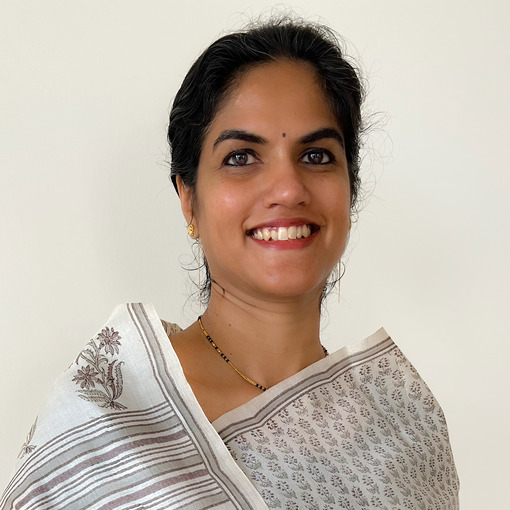
Presentation #2 | Aarti and Vishwajeet Kumar
 |
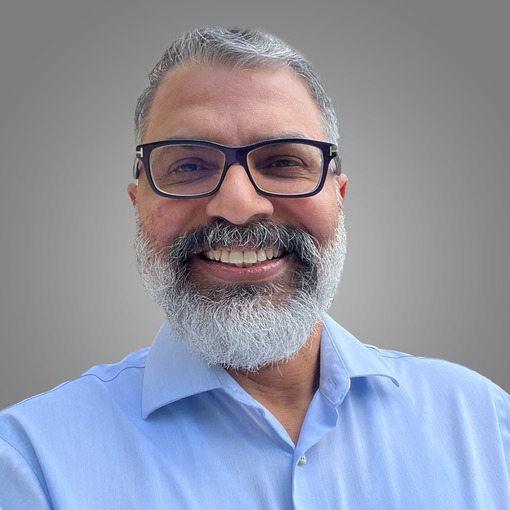 |
Ms. Aarti Kumar and Dr. Vishwajeet Kumar
Directors of the Community Empowerment Lab, India
The Community Empowerment Lab is a community-entrenched global health research and innovation organization based in Lucknow, Uttar Pradesh, India. Current projects include efforts to deliver Kangaroo Mother Care at scale. CEL originally designed the KMC Lounge which received the national best practice award in 2017. These efforts have been scaled up to 298 facilities in Uttar Pradesh across 72 districts saving over 90,000 newborn lives each year.
Presentation #3 | Manos Antoninis

Manos Antoninis
Director of the Global Education Monitoring (GEM) Report at UNESCO
Manos Antoninis has led the team on the themes of accountability, migration and displacement, inclusion, non-state actors, technology, leadership and the Countdown to 2030 series (access, quality and relevance). He was previously responsible for the monitoring part of the report. He has coordinated the financing gap estimates for the 2030 education targets, the development of estimation models on out-of-school and completion rates, and the World Inequality Database on Education. As a director of the report, he has expanded its range of regional and thematic publications, including a series on education and other development outcomes (e.g. climate change, nutrition, justice). He has been the co-chair of the Education Data and Statistics Commission, supporting the work on the national SDG 4 benchmarks. He is an economist by training and has previously worked on public finance, monitoring and evaluation projects in education in Africa, Asia and South-eastern Europe.
Presentation #4 | John Spencer
John P. Spencer
Professor of Psychology at the University of East Anglia
He helped launch the civic science initiative at the US National Science Foundation in 2014. He is the recipient of the 2003 Early Research Contributions Award from the Society for Research in Child Development, and the 2006 Robert L. Fantz Memorial Award from the American Psychological Foundation. In collaboration with Aarti and Vishwajeet Kumar at the Community Empowerment Laboratory, their groups have been identifying adaptable contextual factors that move at-risk infants from surviving to thriving.
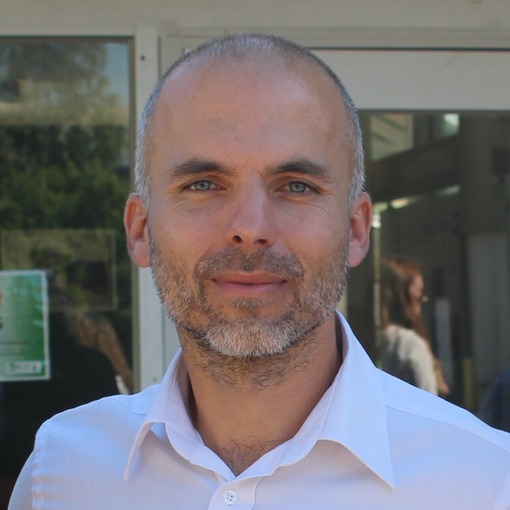
Jaime de Loma-Osorio Ricon
Deputy CEO, Banksia Gardens Community Services/ Director, Northern Centre for Excellence in School Engagement
Civic Science Research in Action
Chair: Jaime de Loma-Osorio Ricon (Deputy CEO)
Presentation #1 | Jaime de Loma-Osorio Ricon
|
|
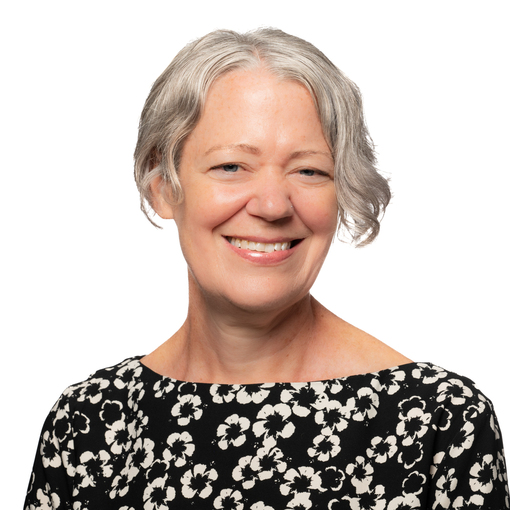
How Civic Science can help reduce school disengagement – An Australian perspective Even in a world facing a multitude of simultaneous crises, rising levels of school disengagement are one of the most urgent issues we face internationally, as without well-educated citizens our democracies are in great peril. The Northern Centre for Excellence in School Engagement (NCESE) is a highly local and practical collective response to disengagement operating in a highly disadvantaged area of Melbourne. Its foundational principles and approach can be conceptualised using a Civic Science framework, given its strong focus on finding ways for scientific evidence to find its way to the classroom and the school yard as quickly as possible. NCESE does this through resources such as the NCESE Building Blocks for Engagement or through Communities of Practice where scientists get to share their findings with school leaders and educators, as well as on the ground support via coaching and mentoring. Using Executive Functions and Social and Emotional Learning as key constructs, this talk will analyse how far this conceptualisation can currently go and it will identify the challenges, challenges and potential next steps in order for the NCESE to embrace everything Civic Science can offer the education sector. |
Presentation #3 | Kristin Reimer
|
|
“It’s like you don’t have to leave the classroom to solve a problem”: Restorative Justice Education in Action Restorative justice in education (RJE) is a philosophical framework that centers relationships in schools, calls attention to issues of justice and equity, and provides processes to heal harm and transform conflict. As a holistic approach, students and teachers engage in daily and ongoing inquiry into their relationships, their individual and collective needs, and site-specific relevant solutions to their classroom problems. Schooling can sometimes become an endeavour that is seen as top-down, with teachers implementing mandated curricula and students attempting to meet pre-determined learning outcomes. Yet, RJE ensures that students and teachers are fully involved in the educational process, with the co-creation of their classroom culture, knowledge and practices. Studies that I have conducted show that RJE helps students to develop a sense of coherence (Antonovsky, 1979) and to see their school lives as manageable, comprehensible and meaningful. |
Presentation #2 | Isabelle Morris
|
|
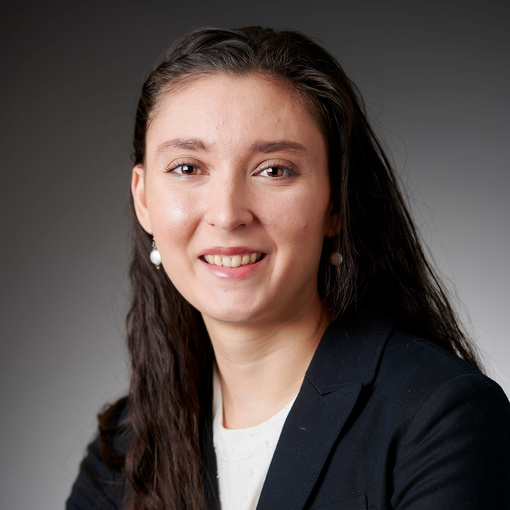
RADAR: Using Civic Science to Study Autistic Stimming Research on Autism, Driven by Autistic Researchers (RADAR) is an example of an autistic-led Civic Science project. This talk will cover the process of RADAR and share insights into how to conduct participatory research in the context of intellectual and developmental disabilities (IDD). Infrastructure, critical questions to ask prior to beginning, potential constraints and setbacks will be discussed. In the second half of the talk, I will describe how research is conducted by RADAR collaborators. I will also share findings from a mixed-methods study on autistic experiences and perceptions of stimming (repetitive, self-stimulatory behaviors). The talk will conclude by highlighting specific ways in which the participatory approach we chose provides added value to research. |
The Individual and Society: Civic Science and the Future of the Field
Closing Discussion Panel
Organized by Phil Zelazo, John Spencer, and Ellen Galinsky
|
|
|
|
Philip David ZelazoUniversity of Minnesota |
Ellen GalinskyFamilies and Work Institute |
John P. SpencerUniversity of East Anglia |
Panelists: Roberta Michnick Golinkoff (University of Delaware), Stuart Hammond (University of Ottawa), Velma McBride Murry (Vanderbilt University), Bryan W. Sokol (Saint Louis University), Jaime de Loma-Osorio Ricon (Banksia Gardens), and Philip Fisher (Stanford University)
Organizers
Thematic Organizers
Phil Zelazo
University of Minnesota
John Spencer
University of East Anglia
Ellen Galinksy
Families and Work Institute
Invited Program Planning Committee

Janet Boseovski
JPS IPPC Chair
Nancy Budwig
JPS IPPC Co-chair
