
Plenary Speakers
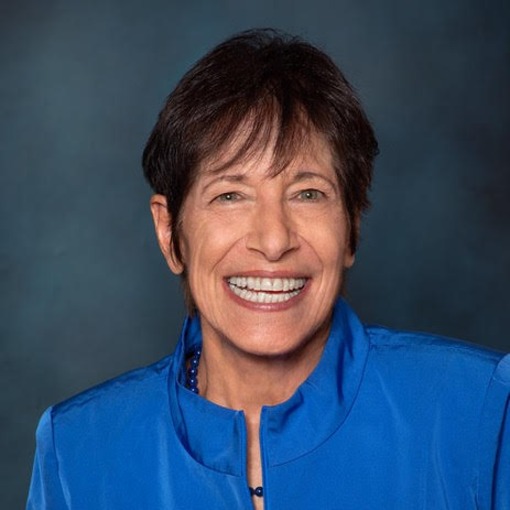
Kathy Hirsh-Pasek (Templeton University, United States)
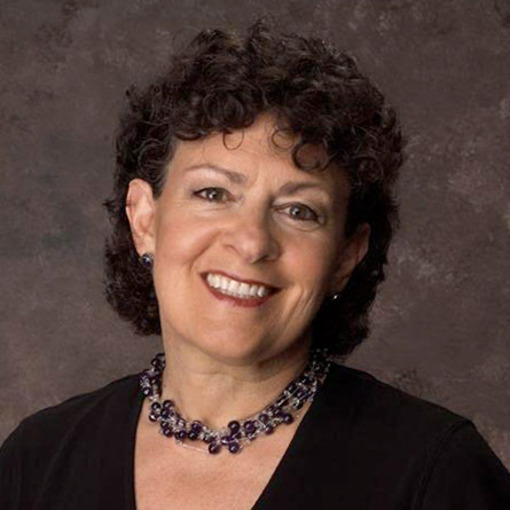
Roberta Michnick Golinkoff (University of Delaware, United States)
Civic Science: An Active Playful Learning Approach to Education
Summary
The “factory model” of education that dominates classrooms around the world is outdated. Our current model of education neither prepares students to thrive in the 21st century nor does it address systemic inequalities. In our Brookings Big Ideas Piece (Hirsh-Pasek et al., 2020), A new path to education reform, and in Making Schools Work (Hirsh-Pasek et al, 2022), we argue for a developmentally appropriate pedagogy built on the latest science of learning while offering children a rich curricular approach. This approach was a cornerstone of UNESCOs Happy School’s movement (2024) and of recent work from the OECD arguing against the increased schoolification in education (OECD, 2020, p. 33). Our model addresses these recent trends through work in what we call Active Playful Learning (APL). It uses a 3-part equation, based in the science of learning, to realize this goal. We start with cultural contexts that embrace community funds of knowledge that children bring to our classrooms. We then add the “how” of learning such that if we teach in ways that capitalize on how brains learn, children are more likely to retain and transfer their knowledge. Third, we add “what” the children need to know to thrive in a world dotted with Chat GPT, and with workplaces that will later require them to expand their repertoire of outcomes to include a breadth of skills, 6Cs — collaboration, communication, content, critical thinking, creative innovation, and confidence (grit and growth mindset). In this talk, we demonstrate how this equation has been used to design an evidence-based pedagogical approach that is being evaluated in a longitudinal study in the US along with how it is being used to support community-based, out of school enrichment in communities and in digital media. This example of civic science shows the fluid exchange between educators, community members and scientists as we build a stronger science of learning. In fact, this cross-sector model was grown from our Learning Science Exchange (LSX) Fellowship that exemplifies civic science at its best.
Brief Biography
Kathy Hirsh-Pasek is the Stanley and Debra Lefkowitz Fellow in Psychology at Temple University in Philadelphia. She is the author of 16 books and over 250 publications on early childhood and infant development, with a specialty in language and literacy, and playful learning. She is a founding member of Playful Learning Landscapes; the Latin American School for Educational and Cognitive Neuroscience, and of the Learning Science Exchange Fellowship. Hirsh-Pasek is also a senior fellow at the Brookings Institution’s Center for Universal Education. She is a fellow of the American Psychological Association, the Cognitive Development Society, the American Educational Research Society and the American Psychological Society. Her book, Becoming Brilliant: What Science Tells Us about Raising Successful Children (2016), was on The New York Times Best Seller List in both education and parenting. And her Einstein Never Used Flashcards was released in January of 2026 – a former winner of the Better Books Award for the earlier edition. She is a recipient of APS James McKeen Cattell Award, the SRCD Distinguished Scientific Contributions to Child Development Award and the Mentor Award from both APA and APS. She and her longtime collaborator Roberta Michnick Golinkoff were joint recipients of the 2009 American Psychological Association (APA) Award for Distinguished Service to Psychological Science and the 2011 Urie Bronfenbrenner Award for Lifetime Contribution to Developmental Psychology in the Service of Science and Society from the American Psychological Association. A recent $20M grant from LEGO will enable her and her colleagues to implement the Active Playful Learning model—an evidence-based pedagogical approach to joyful deeper learning that has been co-created with professionals—for grades K through four in four states: California, Illinois, Texas and Virginia.
Websites: https://en.wikipedia.org/wiki/Kathy_Hirsh-Pasek | kathyhirshpasek.com
Roberta Golinkoff (Unidel H. Rodney Sharp Chair in the School of Education at the University of Delaware) is one of the founders of the Ultimate Block Party movement, an event that took place in Central Park to celebrate playful learning. It attracted over 50,000 people. Other Ultimate Block Parties were held in Toronto, Canada, and Baltimore, Maryland. A recent $20M grant from LEGO will enable her and her colleagues to implement the Active Playful Learning model—an evidence-based pedagogical approach to joyful deeper learning that has been co-created with professionals—for grades K through four in four states: California, Illinois, Texas and Virginia. Golinkoff is a fellow of the APA and APS, and in 2015, she was an APA Distinguished Scientific Lecturer received a James McKeen Cattell Fellowship from APS. Golinkoff and her colleague Kathy Hirsh-Pasek of Temple University were joint recipients of the 2009 APA Award for Distinguished Service to Psychological Science and the 2011 APA Urie Bronfenbrenner Award for Lifetime Contribution to Developmental Psychology in the Service of Science and Society. Golinkoff was awarded a John Simon Guggenheim Memorial Fellowship and a James McKeen Cattell Sabbatical Award, both in 1988.
Websites: https://www.cehd.udel.edu/faculty-bio/roberta-michnick-golinkoff/ | https://roberta-golinkoff.com/ | https://en.wikipedia.org/wiki/Roberta_Michnick_Golinkoff
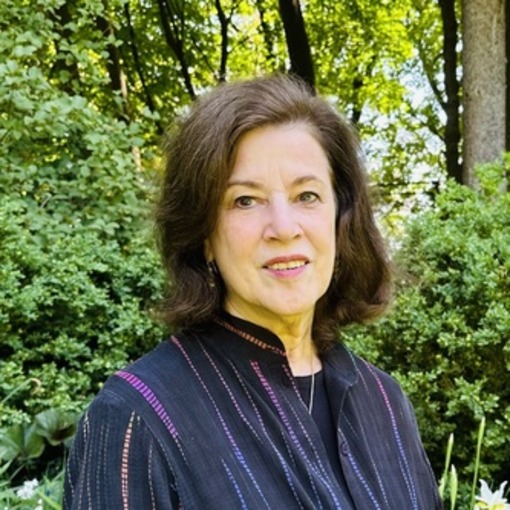
Ellen Galinsky (President of Families and Work Institute)
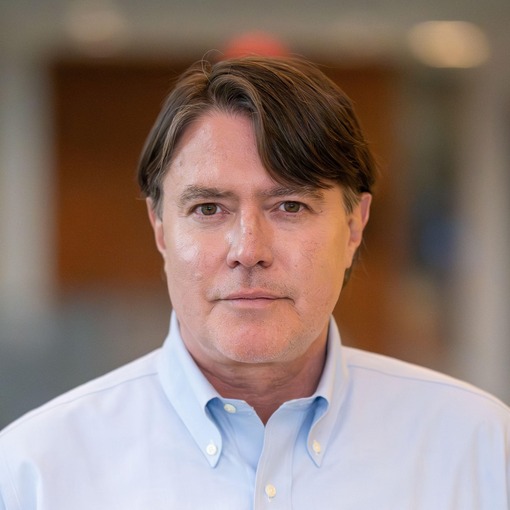
Philip David Zelazo (University of Minnesota, United States)
Using Civic Science to Transform Public Education in the United States
Summary
The problems in growing up today are well-known: Youth mental health is declining; test scores on the nation’s report card haven’t recovered from the pandemic but were problematic beforehand; an increasing number of children are chronically absent from school; and many are growing up disconnected and lonely. Studies show that both learning and mental health depend on executive function (EF) skills—the attention-regulation skills needed to focus attention, ignore distractions, keep information in mind, adopt new perspectives and manage emotions and behavior. The scientific community also knows a great deal about EF skills: They know what these skills are, how to measure them, how they develop, and how they are related to developing brain networks. They also know that these skills are as—if not more— important to success as IQ and socio-economic status. But most importantly, they know how to promote the development of EF skills and how to ensure that these skills will contribute to improving academics and life success. Similarly, educators, business leaders, parents, and students know that they want real skills for real life, as evidenced by overwhelming calls for these skills in more than half the states that have created consensus Portrait of a Graduate statements. Yet, far too little of this knowledge is being acted upon! We argue that a very different approach to science and intervention is needed to create scalable, sustainable supports for children’s developing EF skills—supports that are meaningfully embedded in the communities in which children live. That approach is civic science, which engages citizens in collective scientific collaboration to address complex, pressing, real-world problems, in creating and then disseminating solutions. In this talk, we show that this change is not rhetoric. It is beginning to happen in our work with AASA, the School Superintendents Association, which has adopted “The New Basics: Real Skills for Real Life” as one of its five principles for its Public Education Agenda. We further describe our work with educators and scientists to co-develop a set of new training and tools to support the development of EF-based life skills and transform public education so that children learn and thrive.
Brief Biography
Ellen Galinsky is the President of Families and Work Institute (FWI) and the elected Past President of the Work and Family Researchers Network (WFRN). She also serves as senior research advisor to AASA, the School Superintendents Organization. Between March 2016 and September 2022, she was the Chief Science Officer of the Bezos Family Foundation. Before co-founding FWI, she spent more than two decades at the Bank Street College of Education. Over her career, her research has focused on work-life, children’s development, youth voice, child-care, parent-professional relationship, and parental development. Galinsky is the author of Mind in the Making, a best-selling book on early learning that the New York Times called “an iconic parenting manual,” Her book on adolescence, The Breakthrough Years, was published in March 2024 and has been hailed as a “masterpiece,” a “tour de force,” and “a singular contribution to science and society.” She is also the author of 90 books/reports and 360 articles for books, academic journals, magazines, and the Web. Other career highlights include serving as the elected President of the National Association for the Education of Young Children, being elected as a fellow of the National Academy of Human Resources, serving as parent expert in the Mister Rogers Talks with Parents series, and receiving a Distinguished Achievement Award from Vassar College as well as the 2022 Lifetime Achievement Award from WFRN.
Websites: https://ellengalinsky.com/ | https://www.familiesandwork.org/ellen-galinsky-bio/
Philip David Zelazo (Nancy M. and John E. Lindahl Leadership Chair, Institute of Child Development, University of Minnesota) co-directs the Developmental Social Cognitive Neuroscience Lab with Stephanie Carlson. Zelazo’s research has helped shape current understanding of executive function (EF) and its development, including the key roles of reflection, rule use, hierarchical complexity, mindfulness, and emotion (hot versus cool EF). He was lead developer of the EF measures for the NIH Toolbox and the “Cognition and Executive Function” measures for the NIH Infant and Toddler Toolbox, and has designed effective interventions for promoting the healthy development of EF in childhood. He is a Fellow of the American Psychological Association (APA), the Association for Psychological Science (APS), the American Association for the Advancement of Science (AAAS), and the Mind and Life Institute, and the recipient of numerous awards, including the Boyd McCandless Young Scientist Award (APA, 1996), a Canada’s Top 40 Under 40 Award, and the APA Award for Distinguished Contributions to Developmental Psychology (2025). From 2012-2014, he served as President of the Jean Piaget Society. He was Founding Editor of the Journal of Cognition and Development, currently serves on several editorial boards (e.g., Human Development), and he is Associate Editor of American Psychologist. His work has been cited over 53,000 times by other scholars.
Websites: https://icd.umn.edu/philip-zelazo | https://en.wikipedia.org/wiki/Philip_David_Zelazo | https://reflectionsciences.com/
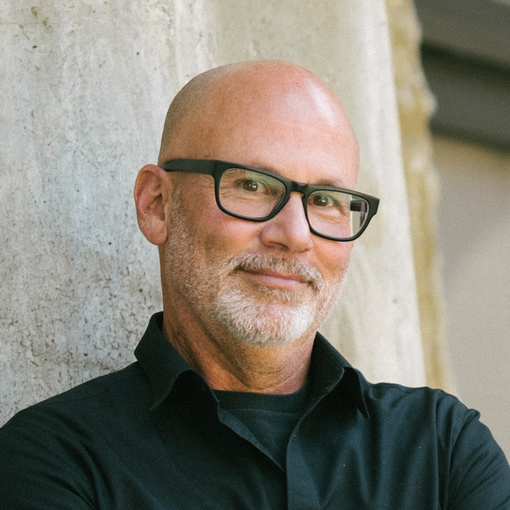
Philip Fisher (Stanford University, United States)
Civic Science Research on Parenting and the Promotion of Self-regulation in Young Children during Times of Crisis
Summary
This talk will include an update on the ongoing RAPID survey project, and how it has been refined in an iterative, fast-cycle way that encourages community participation and promotes innovation and self-determination.
Brief Biography
Philip Fisher is the Diana Chen Professor of Early Childhood Learning in the Graduate School of Education at Stanford University, where he serves as founding Director of the Stanford Center on Early Childhood. He is also a Courtesy Professor of Pediatrics at the Stanford School of Medicine. His research, which has been continuously funded by the National Institutes of Health and other federal agencies since 1999, focuses on (1) developmental neuroscience of early life adversity, (2) supporting community-based early childhood systems to insure that all children thrive from the start, and on (3) developing tools and identifying pathways to accelerate the pace of early childhood research. He is particularly interested in prevention and programs for improving children’s functioning in areas such as relationships with caregivers and peers, social-emotional development, and academic achievement. He is the developer of a number of widely implemented evidence-based interventions for supporting healthy child development in the context of social and economic adversity, including Treatment Foster Care Oregon for Preschoolers (TFCO-P), Kids in Transition to School (KITS), and Filming Interactions to Nurture Development (FIND). Dr. Fisher is also currently the lead investigator in the ongoing RAPID-EC project, a national survey on the well-being of households with young children. He has published over 200 scientific papers in peer reviewed journals. He is the recipient of the 2012 Society for Prevention Research Translational Science Award, and a 2019 Fellow of the American Psychological Society.
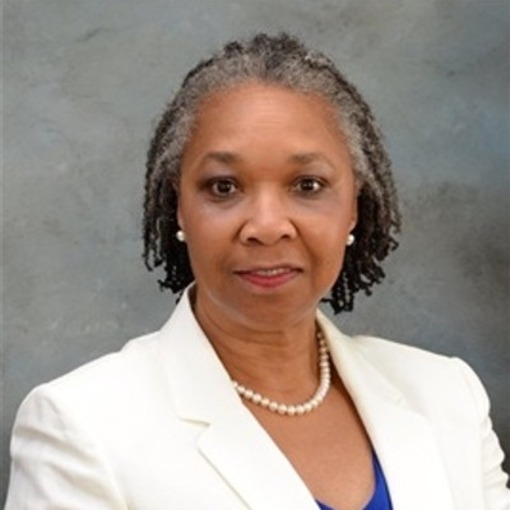
Velma McBride Murry (Vanderbilt University, United States)
Enhancing Positive Youth Development through Family-Strength-Based Civic Science Psychoeducational Programs
Summary
This talk will review psychoeducational interventions to reduce adolescent substance abuse and high-risk behaviors in adolescents, with a focus on African American families and supportive community members. The development of her interventions was informed by a civic science approach.
Brief Biography
Velma McBride Murry is an American psychologist and sociologist, currently the Lois Autrey Betts Endowed Chair and University Distinguished Professor in Departments of Health Policy, Vanderbilt University School of Medicine, and Human and Organizational Development, Peabody College, Vanderbilt University. Her research has largely focused on resilience, resistance, and protective factors for African American families. From 1995 to 2008, she served as co-director of the Center for Family Research with Dr. Gene Brody. Together and with members of the communities involved, they co-developed the Strong African American Families program in 2000, which created psychoeducational interventions to reduce adolescent substance abuse and high-risk behaviors in adolescents. At Vanderbilt, using a similar approach, she developed and tested the Pathways for African American Success (PAAS) program, in a RCT, leveraging technology to create and implement a family-strength-based interventions to enhance protective processes among youth and their caregivers. PAAS reports promotion of academic success as well as prevention of conduct problems, substance use, and other risky behaviors. She is the recipient of numerous awards and honors, including a Presidential Citation from the American Psychological Association (2014) and membership in the National Academy of Medicine (2020).
Websites: https://peabody.vanderbilt.edu/bio/?pid=velma-mcbride-murry | https://en.wikipedia.org/wiki/Velma_McBride_Murry
